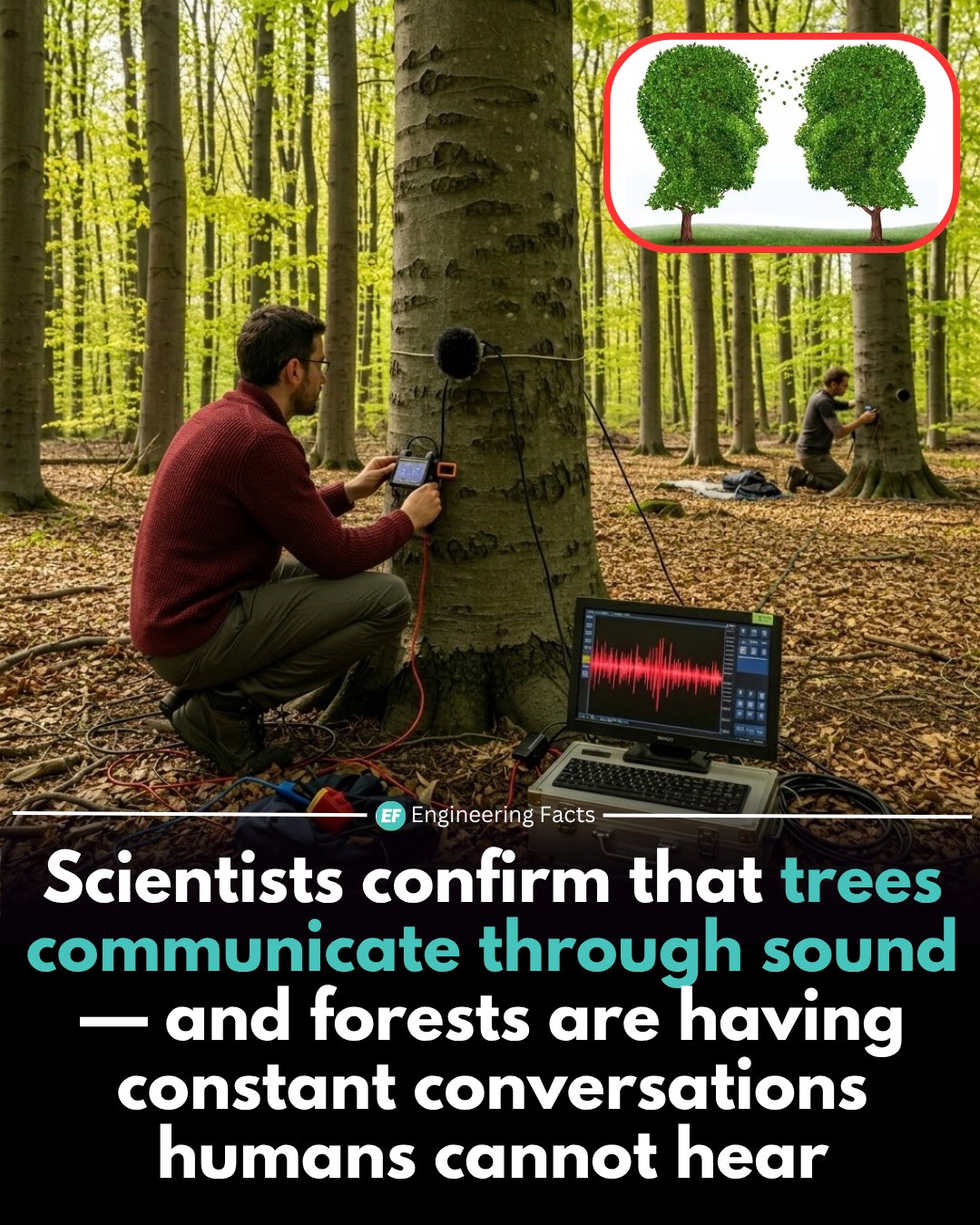
Recent discoveries in acoustic ecology reveal that entire woodlands operate as interconnected communication networks rather than isolated groups of plants. High-frequency microphones have captured distinct ultrasonic pulses traveling between trunks, acting as an invisible alarm system during environmental hardships.
Botanists have linked these microscopic sound emissions directly to the plant’s vascular system, specifically noting that severe water deprivation triggers a rapid succession of acoustic warnings. This quantifiable biological response prompts surrounding vegetation to preemptively conserve moisture by tightly sealing their leaf pores.
The physical transmission of these signals occurs through complex cavitation events where tiny air bubbles collapse within the sap-carrying tissues. Remarkably, these distress pulses can travel distances of up to 50 meters through both the atmosphere and the root-laced soil.
This paradigm-shifting research completely redefines our fundamental understanding of botanical sentience and ecological resilience. Recognizing that flora can transmit sophisticated, quantitative data about changing environmental conditions opens entirely new avenues for advanced agricultural management.
As extreme weather patterns become increasingly frequent globally, decoding these hidden natural frequencies could provide early warning systems for drought stress before visible damage occurs. Listening to the biological chatter of our ecosystems might ultimately be the key to preserving the earth’s most vulnerable habitats.
#AcousticEcology #ForestCommunication #BotanyLovers #NatureScience #EcoSystems
Be First to Comment