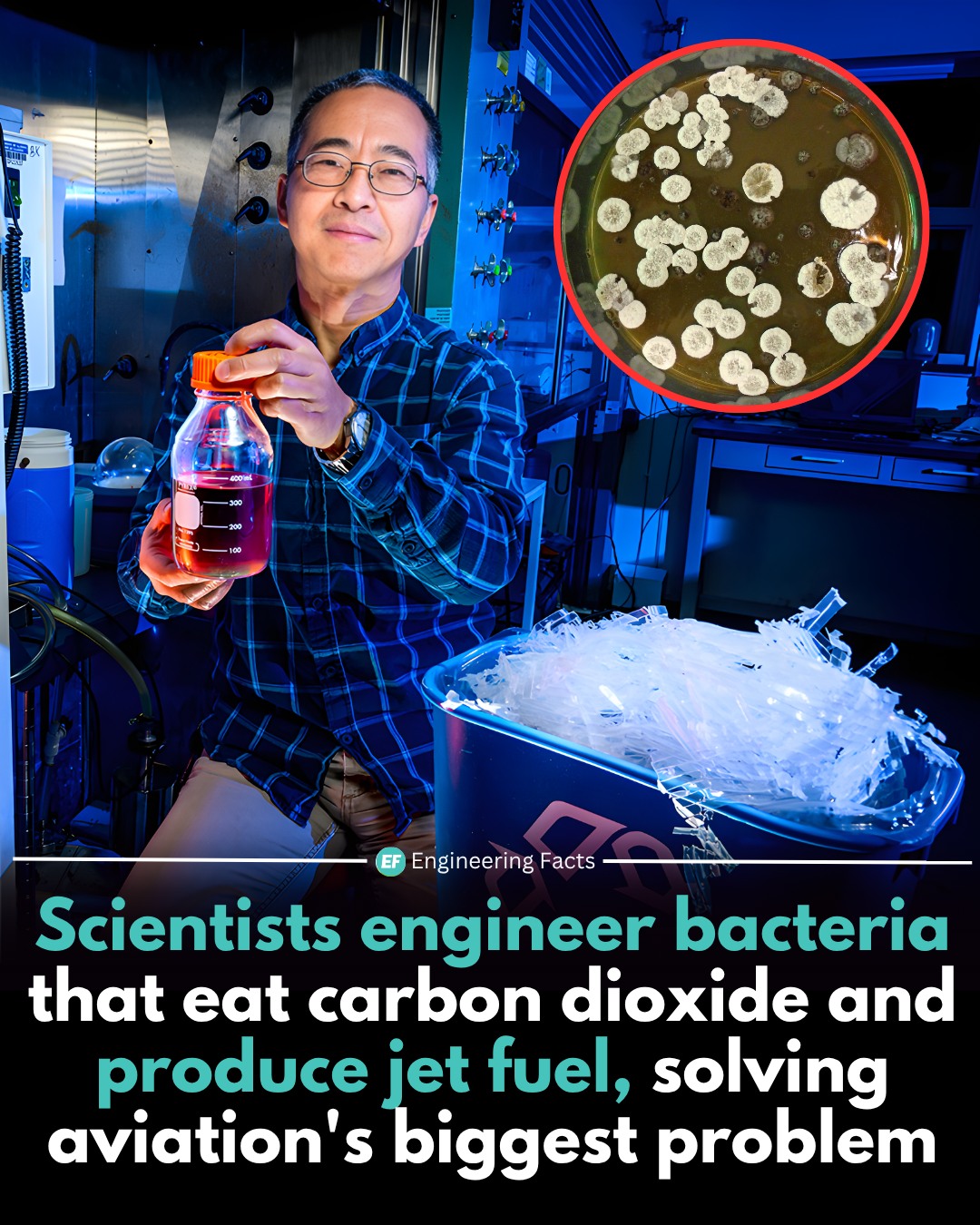
Revolutionary advancements in synthetic biology are actively transforming industrial carbon emissions into a highly valuable, energy-dense resource for the transportation sector. By comprehensively rewiring the metabolic pathways of specific microorganisms, bioengineers have created a living, closed-loop manufacturing system that thrives entirely on greenhouse gases.
The aviation sector faces a monumental decarbonization challenge, as commercial aircraft require liquid fuels with high energy densities that modern batteries simply cannot provide. Scaling this advanced microbial technology could eventually displace billions of gallons of fossil fuels annually, effectively turning commercial flight into a completely carbon-neutral enterprise.
Unlike traditional agricultural biofuels that demand vast expanses of arable land and fresh water, these compact bioreactor systems can be deployed directly alongside industrial power plants or factories. This strategic placement allows for the immediate, on-site capture and conversion of concentrated emissions before they ever have the chance to reach the atmosphere.
Energy economists note that while early-stage biomanufacturing currently carries a steep premium, aggressive scaling and optimization consistently drive down costs at exponential rates. Major commercial airlines are actively investing in these pilot programs right now, anticipating that upcoming regulatory carbon taxes will soon make these synthetic fuels highly competitive.
Pioneering a truly sustainable future requires these exact types of innovative intersections between genetics, chemical engineering, and environmental science. This bacterial breakthrough represents a critical leap toward circular economies where human industry finally works in harmony with the global atmosphere.
#SyntheticBiology #SustainableAviation #GreenTech #CarbonCapture #BioFuels #AviationInnovation
Be First to Comment